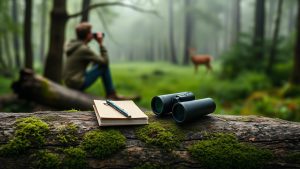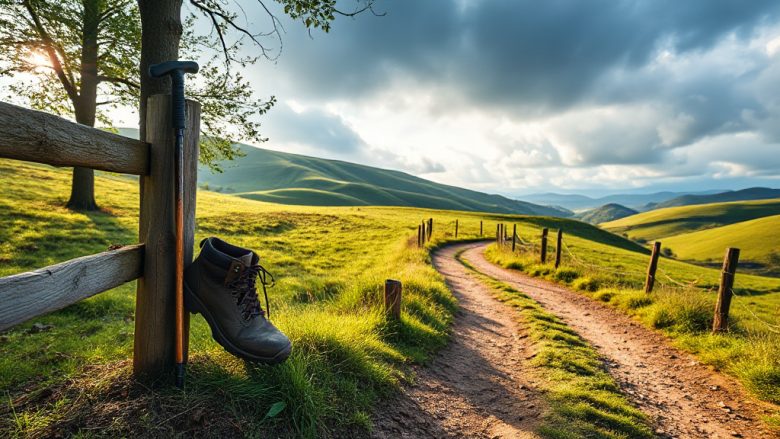
There’s a particular kind of mud that clings to boot treads and refuses to budge, even after you’ve scraped it against a fence post three times. Your socks are damp, your calves ache, and you’re fairly sure a midge has taken up residence in your left ear. Then you round a bend, the trees open up, and the view hits you like a held breath finally released. Was it worth it? That’s the honest question at the heart of any nature walks pros and cons explained properly. A stroll through woods, fields or coastline isn’t automatically good for you, and it isn’t automatically bad. It depends on your body, your schedule, the weather, and what you’re hoping to get out of it. This is a fair look at both sides, so you can decide whether lacing up is the right move for you.
The physical benefits are real, but they’re not magic
Walking is one of the most accessible forms of movement there is. You don’t need a gym membership, a racket, or a team. You need shoes and somewhere to go. On uneven ground, your ankles, knees and hips do more work than they would on a treadmill, because the surface keeps changing. Roots, stones and gentle slopes force small stabilising muscles to switch on. Over time, that can improve balance and proprioception, which matters more as you get older.
The cardiovascular payoff is straightforward. A brisk walk raises your heart rate, gets blood moving, and counts toward the weekly activity most health bodies recommend. If you’re carrying a bit of extra weight or recovering from injury, a nature walk is often gentler than running while still being genuinely useful. Add a hill and you’ve got a decent workout without ever calling it one.
There’s also the light factor. Daylight exposure helps regulate your body clock, which affects sleep, mood and appetite. A morning walk outdoors can nudge your circadian rhythm in the right direction. None of this is exotic. It’s just the accumulated effect of moving your body in fresh air and natural light, which many of us don’t do nearly enough.
The mental and emotional upsides are harder to measure but hard to ignore
Ask anyone who walks regularly why they keep going and they’ll rarely mention their hamstrings. They’ll mention how they feel afterwards. There’s something about being among trees, or beside water, or on a hillside that settles the mind. The noise is different. Birds, wind, leaves, your own footsteps. The mental chatter that fills a commute or a scrolling session gets quieter.
Research on time in green space consistently points toward reduced stress and improved mood, though the exact mechanisms are still being picked apart. It could be the air, the light, the lack of notifications, the gentle exercise, or all of it together. Practically, a nature walk gives you a reason to leave the house that isn’t a chore. It breaks up a day spent indoors. It offers a change of scene that a screen can’t replicate.
For people dealing with low mood or anxiety, a regular walk isn’t a cure, but it can be a reliable anchor. It’s something to do, somewhere to go, a small accomplishment that doesn’t require anyone else’s approval. That matters more than it sounds.
Walking with others adds a social layer that solo strolls can’t match
Nature walks can be solitary or social, and both have value. Walking side by side with a friend or family member often makes conversation easier than sitting face to face. There’s less pressure, more pauses, and the shared scenery gives you something to talk about when the words run dry. For parents, a walk is a low-cost way to occupy children while getting everyone some exercise. For older adults, a walking group can be a lifeline against isolation.
There’s also a quiet accountability in meeting someone for a walk. You’re less likely to cancel on a person than on yourself. If motivation is your weak point, the social version of a nature walk might be the version that sticks. It also tends to be more forgiving than a gym session, because you can talk, stop, and adjust the pace without feeling judged.
Weather and terrain can turn a pleasant walk into a slog
Here’s where the cons start, and they’re not trivial. The British weather is famously uncooperative. A walk that would be lovely in dry conditions can become miserable in sideways rain, and muddy paths are a genuine hazard. Slippery roots, boggy fields and steep descents in wet conditions lead to sprains and falls. If you have joint problems, cold and damp can make them worse.
Terrain is another factor. Not everyone lives near a gentle, well-surfaced path. Some nature walks involve stiles, uneven ground, loose stones, or long stretches with nowhere to sit. For someone with a mobility aid, a pushchair, or a recent injury, a route that looks easy on a map can be genuinely inaccessible. Even for the able-bodied, a poorly chosen trail can turn a relaxing hour into a grind.
Then there’s the time cost. A proper nature walk often means travelling to a trailhead, walking, and travelling back. That can eat half a day. If you’re fitting exercise around work and childcare, a loop around the block may be more realistic than a drive to the hills. The best walk is the one you’ll actually do, and sometimes that isn’t the scenic one.
Safety, access and the practical barriers people don’t always mention
Nature walks carry risks that pavement walking doesn’t. Ticks are a real concern in long grass and woodland, and they can transmit infections. Midges and mosquitoes can ruin an evening. In remote areas, phone signal may be patchy, and a twisted ankle becomes more serious when you’re an hour from the car park. Solo walkers, particularly women, may feel vulnerable on isolated routes, and that feeling is worth taking seriously rather than dismissing.
Access is uneven. Some of the most beautiful places are the hardest to reach without a car. Public transport to rural trailheads is often limited or nonexistent. Footpaths can be closed, overgrown, or diverted. Landowners may restrict access. And while many nature reserves are free, parking charges, café stops and fuel add up over time.
There’s also the question of wildlife disturbance. Walking off-path, letting dogs run loose through nesting areas, or playing loud music can harm the very environment you came to enjoy. Responsible walking means staying on marked trails, keeping dogs under control, and taking litter home. It’s not a huge burden, but it is a responsibility.
Weighing it up: who benefits most, and how to reduce the downsides
For most people, the pros of nature walks clearly outweigh the cons. The physical activity, the mental reset, the daylight and the change of scene are all genuinely valuable, and the barriers are usually manageable with a bit of planning. The people who benefit most tend to be those who can build it into a routine, choose routes that match their fitness, and accept that not every walk will be postcard-perfect.
If weather is your enemy, invest in a decent waterproof jacket and shoes with grip. Check the forecast but don’t let a grey sky stop you; drizzle is often fine once you’re moving. If terrain is the issue, look for canal towpaths, rail trails, country parks and accessible nature reserves with firm, level surfaces. Many have benches and shorter loops. If safety worries you, walk with a companion, tell someone your route, carry a charged phone, and stick to busier paths in daylight. If time is tight, a twenty-minute walk in a local park still counts. You don’t need a national park to get the benefits.
The honest verdict is this: nature walks aren’t a universal cure, and they aren’t always convenient. But they’re one of the few activities that combine movement, daylight, fresh air and a change of mental scenery with almost no equipment and no cost. The mud washes off. The view stays with you. For most people, most of the time, that’s a trade worth making.