How I Handled a Blocked Drain in José Bonifácio: A Day With a Desentupidora in São Paulo
You turn on the kitchen tap and the water climbs up the sink instead of draining away. Within minutes the floor drain near the service area starts gurgling, and you know the rest of the day is now about one thing: getting a desentupidora José Bonifácio São Paulo SP to your door before the mess spreads. That was my exact situation on a Tuesday morning in this São Paulo neighborhood, and this is the honest account of how the call, the visit and the fix actually went.
I am not a plumber. I am a tenant who had to act fast, and I tested the service the way any resident would: by timing the response, watching the work, asking questions and checking the result days later. If you are searching for a desentupidora em José Bonifácio São Paulo SP right now because water is backing up, the steps below will tell you what to expect and what to check before you pay.
Step 1: Recognise When It Is a Real Blockage and Not Just a Slow Drain
A single slow drain can be soap residue or a bit of food. Multiple fixtures misbehaving at once is a different story. When my kitchen sink backed up, the laundry drain and the bathroom floor drain also rose slightly, which told me the obstruction was deeper in the shared branch line, not in one trap.
The warning signs that pushed me to call rather than wait were straightforward: gurgling sounds after each flush, a faint sewage smell near the service area, and water that drained overnight but returned by mid-morning. If two or more drains in the same property fail together, the problem is almost certainly in the main line. That is the point where DIY plunging stops helping and a professional inspection saves time.
I also checked the obvious external factors first. The building in José Bonifácio is older, with mature trees along the street, and root intrusion into the lateral connection is a common cause in this kind of neighborhood. I could not confirm it myself, but it shaped the questions I asked when I called.
Step 2: Call and Describe the Problem Precisely
The quality of the phone call determines how fast the visit goes. Instead of saying “my sink is blocked,” I described the layout: ground-floor unit, kitchen sink plus service area drain affected, no water on the floor yet, building with a shared lateral to the street. The dispatcher asked about the property type, whether there was a cleanout access point, and whether raw sewage had surfaced anywhere.
That last question matters more than people realise. Wastewater surfacing in a yard or a garage turns a routine unclogging into a health and cleanup issue, and it changes the equipment the team brings. I was told a technician could arrive within a short window, and the estimate for a standard unclogging was given upfront, with a note that hydrojetting or camera inspection would cost more if the blockage needed it.
Two practical things I did during that call and would repeat: I confirmed the price structure in writing via message, and I asked whether the visit included a basic camera check. Getting the call-out fee and the likely scope confirmed before the van arrives prevents most billing surprises.
Step 3: Prepare Access and Protect the Area Before the Team Arrives
While I waited, I cleared the path to the service area, moved boxes away from the cleanout cap and put down old towels around the kitchen sink. None of this is glamorous, but it cut at least ten minutes off the job and kept the technician from having to work around clutter.
I also noted where the water had already reached, because that information helps the team decide whether the blockage is in the unit’s internal piping or further out. If you live in a condominium, tell the síndico or building manager before the visit. In many buildings in São Paulo, the lateral line is shared, and the fix may involve the condominium’s responsibility rather than yours alone.
One mistake I nearly made: pouring a chemical drain cleaner down the sink while waiting. On an older pipe system, caustic products can damage joints and make the eventual mechanical clearing messier. I skipped it, and the technician later confirmed that was the right call.
Step 4: Watch the Diagnosis and Ask What Is Actually Blocking the Line
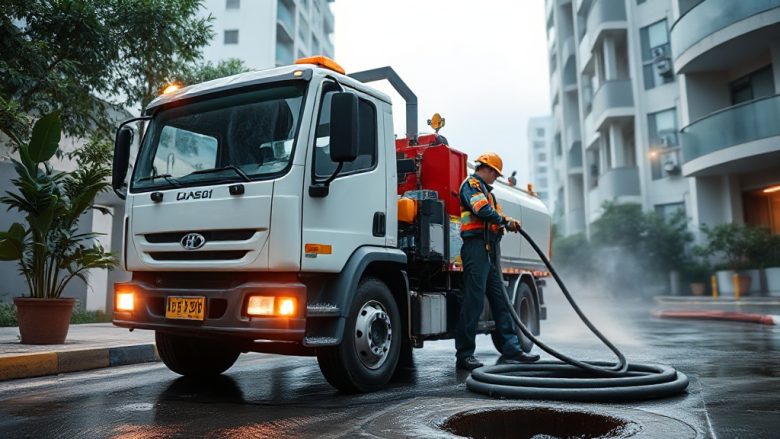
The technician arrived in a marked van with a mechanical auger, a hand snake and a compact camera. He started at the cleanout, not at the sink, which is the correct order: clearing from the access point avoids pushing grease and debris further into the branch.
Within a few minutes he pulled back a mix of grease, soap scum and what looked like fibrous material. He then ran the camera a short distance and showed me a section of pipe with a rough joint where debris had been catching repeatedly. That explanation mattered, because it turned a mystery into a maintenance issue I could manage.
This is where the difference between a quick plunge and a proper service shows. A desentupidora José Bonifácio team working with the right equipment can identify the cause, not just punch through it. If your blockage keeps returning every few months, ask for the camera inspection during the visit rather than scheduling a second call later.
Step 5: Understand the Equipment and When Each Method Is Used
Not every blockage needs the same tool, and knowing the options helps you judge whether the price you are quoted is reasonable. Here is how the technician explained the main methods during my visit:
- Mechanical auger or snake: best for soft blockages such as grease, soap and paper in smaller branch lines. Fast and usually the cheapest option.
- Hydrojetting: a high-pressure water jet that scours the pipe walls. Used for grease buildup, scale and roots, and often chosen for preventive cleaning of restaurant or condominium lines.
- Camera inspection: a diagnostic step, not a clearing method. It shows cracks, root intrusion, sagging sections and where a blockage keeps recurring.
- Septic tank pumping: relevant for properties not connected to the municipal network. If your building has a fossa séptica, a full tank can mimic a blocked drain.
For my case, the auger cleared the immediate obstruction, and the camera showed the rough joint that needed monitoring. The technician recommended hydrojetting only if the problem returned within a few months. That kind of staged advice is a good sign; a team that jumps straight to the most expensive method without explaining why deserves a second opinion.
Step 6: Check the Result Properly Before Signing Off
Do not accept “it’s draining now” as the final word. We ran hot water through the kitchen sink for several minutes, flushed the toilet twice and watched the floor drain while the washing machine emptied. All three fixtures drained at normal speed with no gurgling, which is the real test of a cleared main line.
I also asked the technician to note on the receipt what was found and what was done: the location of the blockage, the method used, and the recommendation to monitor the joint. That record is useful if the same problem recurs and you need to show the landlord or the building manager what was already attempted.
Finally, I checked the area for mess. A professional service leaves the workspace as dry and clean as reasonably possible, and mine did. Test every affected fixture, not just the one you called about, before the team leaves.
Step 7: Follow Up a Few Days Later and Prevent the Next Blockage
Three days after the visit, I re-ran the same test: hot water in the sink, a full washing machine cycle, and a look at the floor drain. Everything held. That follow-up is the part most people skip, and it is the only way to know whether the fix was real or temporary.
The prevention advice I received was simple and specific to an older building: avoid pouring cooking oil down the sink, use a strainer in the kitchen drain, run hot water after washing dishes, and schedule a preventive clean of the lateral line every year or two. For condominiums, a shared maintenance plan is usually cheaper than emergency calls, especially when tree roots are involved.
If you are comparing providers, a quick reference helps. Emergency availability, upfront pricing, camera capability and willingness to explain the cause are the four things that separated the service I used from the vague quotes I received elsewhere. The team behind the desentupidora em José Bonifácio São Paulo SP service ticked all four, which is why I would call them again rather than gamble on a cheaper, unexplained quote.
My Closing Checklist for Anyone Facing the Same Problem
Before you call, note which fixtures are affected and whether sewage has surfaced. During the call, confirm the call-out fee and ask what happens if the blockage needs hydrojetting or a camera. Before the visit, clear access to the cleanout and move valuables away from the work area. During the job, ask what caused the blockage and watch how the line is tested. After the visit, keep the receipt with the findings and re-test every drain within a few days.
That routine turned a stressful morning into a manageable, well-understood repair. A blocked drain in José Bonifácio is common enough that good local teams know the building stock and the street-level pipe quirks, and that local familiarity is worth as much as the equipment they bring.